







There is no such thing as a safer cigarette, and “strength” was never a health measure to begin with. Australia’s standardised packaging rules and bans on descriptors like “light” and “mild” have stripped away most of the old shorthand smokers once relied on. If you’re shopping today, judge products on taste and feel, not on outdated strength labels, and if you want to cut health risk, the only real move is quitting.
TL;DR:
- Cigarette strength is no longer signaled by tar bands, pack colors, or descriptors like “light” or “mild” in Australia, all of which are now banned.
- Machine-measured tar and nicotine numbers are unreliable indicators of actual inhaled dose because humans compensate by smoking differently, making low-yield claims misleading.
- Australia’s 2024 to 2026 tobacco reforms standardized packaging, banned flavors, and removed cues that helped consumers judge strength, leaving the tobacco blend itself as the only guide.
- Choosing cigarettes now depends on taste and blend description, not on outdated signals, with milder options feeling smoother but not reducing health risks.
- Online shopping offers compliant, discounted cigarettes with quick, discreet delivery, but no cigarette is safer; quitting remains the only way to significantly reduce health risks.
Table of Contents
- How cigarette strength used to be signalled
- Why machine-measured tar and nicotine numbers mislead smokers
- What changed under Australia’s 2024 to 2026 tobacco reforms
- How to choose a cigarette in Australia today
- Comparing full-flavour and smooth-blend cigarettes by taste
- A real-world choice between a “strong” and a “light” pack
- Buying cigarettes in cities and states across Australia
- Why we built this guide
- Shop cheap cigarettes online with fast, discreet delivery
- Sources
- FAQ
How cigarette strength used to be signalled
Before reform, Australian packs leaned heavily on tar bands to suggest strength. Cigarettes were commonly grouped into rough tar categories, and brands used pack colour and variant naming as a shorthand for how “heavy” a smoke would feel.
- Tar bands: yields were often marketed around figures such as 4mg, 8mg, 12mg or 16mg, with lower numbers implied to mean gentler smoking.
- Pack colours: gold, silver, and blue variants became consumer code for mild, light, and full-strength versions of the same brand.
- Descriptor names: “light” and “mild” were printed directly on packs to reinforce the same idea.
That system collapsed once regulators stepped in. The ACCC resolved its “light and mild” cigarette investigation with major tobacco companies after finding the descriptors misled consumers into believing these products were less harmful. Since 2005, those terms have been banned from cigarette packaging in Australia, and pack colour has since been standardised too, closing off the last visual cue smokers used to judge strength at a glance.
Why machine-measured tar and nicotine numbers mislead smokers
Machine yield testing measures how much tar and nicotine a smoking machine extracts under fixed, mechanical puffing conditions. It does not measure what a human actually inhales, and the gap between the two numbers is where most of the “light cigarette” myth was built.
Filters on so-called low-yield cigarettes often included tiny ventilation holes that diluted the smoke a testing machine drew through them, producing a lower reading on paper. Real smokers don’t puff like machines. Many block those vent holes with their fingers or lips without realising it, take deeper drags, or simply smoke more cigarettes to get the nicotine hit they’re used to. This is called compensatory smoking, and it explains why “low-yield” brands never delivered on their implied promise. Cancer Council Australia states plainly that there’s no evidence low-tar or light cigarettes reduce cancer risk, because the machine number and the human dose were never the same thing.

What changed under Australia’s 2024 to 2026 tobacco reforms
Australia’s tobacco framework tightened considerably in this window, and the changes go well beyond a colour swap on the pack. The Public Health (Tobacco and Other Products) Act 2023 set the legal foundation, and the 2025 rollout for people who smoke locked in the detail.
Key reforms include:
- A single, standardised drab dark brown pack colour across all brands, detailed in the government’s packaging requirements guide.
- Standardised pack and stick dimensions, along with mandatory quantities per pack.
- Bans on flavours including menthol, rum, and clove, plus a ban on flavour-delivery accessories like crush-ball filters.
- New on-stick health messages printed directly onto individual cigarettes, not just the outer pack.
The practical result is that nearly every cue smokers once used to guess at strength (colour, flavour variant, descriptor) has been legislated out of existence. What’s left is genuinely just the tobacco blend itself.
How to choose a cigarette in Australia today
With the old signals gone, choosing a product comes down to trial and personal preference rather than reading a pack for clues. Here’s a practical approach:
- Read the blend description, not a strength claim. Full-flavour, classic blend, and everyday blend are terms about taste profile, not safety.
- Buy a small pack first if you’re trying something new, rather than committing to a carton on a guess.
- Check the health warning insert and stick markings to confirm the product meets current packaging standards.
- Ask about stock dates when buying online or in person, since retailers were given timelines to clear pre-compliant stock, and older packaging may still be rotating through shelves.
Pro Tip: Switching to a milder-tasting blend can change how harsh a cigarette feels on your throat, but it does nothing to change the health risk. Treat blend choice as a comfort decision, never a safety one.
If you want a broader rundown of blend types before deciding, our guide on choosing between tobacco product types breaks down the categories in plain terms.
Comparing full-flavour and smooth-blend cigarettes by taste
Cigarette Central stocks a spread of blends so Australian smokers can pick by preference rather than outdated strength labels. None of the differences below relate to health risk, only to flavour and mouthfeel.
- Manchester Red Cigarettes (20s x 10 packs): a bold, full-flavour classic blend suited to smokers who want a robust taste at a budget-friendly price point.
- Dunhill Red England Cigarettes (20s x 10 packs): a full-flavour British blend for smokers after a recognised, classic profile without paying a premium markup.
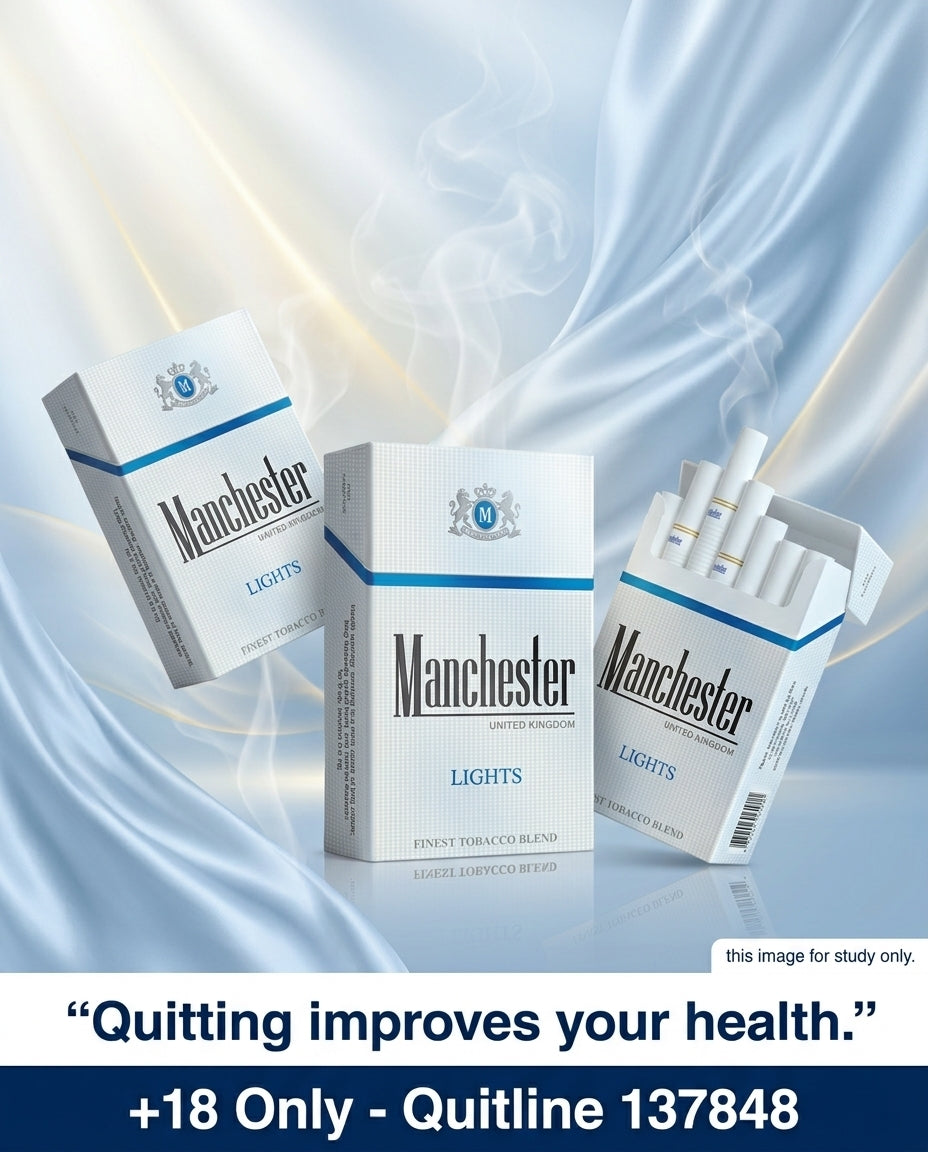
- Manchester Light Cigarettes (20s x 10 packs): a smoother, milder everyday blend for those who find bolder blends too heavy on the throat.
A real-world choice between a “strong” and a “light” pack
One customer told our support team they’d smoked a bold, full-flavour blend for years but wanted to try something smoother after a chest cold left their throat sensitive. They tried a milder everyday blend for a fortnight, decided the throat hit was gentler but the flavour felt thinner, and went back to their original full-flavour brand within the month. Their conclusion: the switch changed how the smoke felt, not how it affected their health. For smokers wanting to reduce that health impact rather than just soften the throat hit, Quitline and quit.org.au remain the places to start.
Buying cigarettes in cities and states across Australia
Whether you’re in Sydney, Melbourne, Brisbane, Perth, Adelaide, or a regional town in Queensland or Tasmania, every legal pack sold must now carry standardised dark brown packaging, mandatory health warnings, and on-stick messaging under the national reforms. Brands like Manchester and Dunhill Red are sold under the same compliance rules nationwide, so a pack bought in Western Australia carries identical warnings to one bought in New South Wales. If a retailer’s stock looks older, ask when it was received. Some legacy packaging is still working through supply chains as stores update to the new requirements.

Why we built this guide
This guide exists because too many smokers still shop by outdated colour or descriptor cues that no longer mean anything under Australian law. If you’re considering cutting down or quitting, Quitline and the National Cessation Platform are free and confidential, and speaking with a GP is always worth doing first.
— Local Cigarette
Shop cheap cigarettes online with fast, discreet delivery
This platform offers an alternative to visiting multiple tobacconists for stock and pricing. It provides a catalogue of brands with discounted prices, featuring express shipping delivering orders within 2 to 5 business days in plain, discreet packaging. If speed matters more than waiting around, Express Shipping is available for $15 one-off on top of your order. Whether you’re after a bold classic like Manchester Red, a British staple like Dunhill Red, or a smoother everyday pick like Manchester Light, The service includes secure checkout and customer support available around the clock. Browse the full cigarette range and place your order today.
This article is general information, not a substitute for advice from a qualified doctor. Consult a qualified healthcare professional about your own circumstances before acting on anything here.
Sources
- ACCC media release — ACCC resolves ‘light and mild’ cigarette issue
- Changes to tobacco products in 2025 — information for people who smoke (Department of Health, Australia)
- Guide to tobacco packaging requirements (Department of Health, Australia)
- Are there some types of cigarettes that are less likely to give you cancer? (Cancer Council Australia)
FAQ
What are the strength levels of cigarettes in Australia?
Older packaging used tar bands like 4mg, 8mg, 12mg and 16mg, alongside pack colours and terms like “light” and “mild” to signal strength. Those descriptors have been banned since 2005 following ACCC action, and standardised packaging has since removed colour as a strength cue too.
What are the strongest cigarettes available in Australia?
There’s no official strength rating system left in Australia, so “strongest” now just describes a bolder, full-flavour blend rather than a higher-risk product. Blends marketed as full-flavour or bold classic, such as Manchester Red or Dunhill Red, tend to deliver a heavier taste and throat hit than smoother everyday blends.
What did the different pack colours used to mean?
Gold, silver, and blue variants were consumer shorthand for mild, light, and full-strength versions of the same brand before reform. Since the rollout of standardised drab dark brown packaging under the 2025 packaging requirements, that colour coding no longer exists on any legally sold pack.
Which cigarette brand in Australia has the lowest nicotine content?
There’s no reliable public ranking of nicotine content by brand, because machine-measured yields don’t reflect what a smoker actually inhales due to compensatory smoking. Cancer Council Australia confirms that no cigarette, regardless of its listed yield, carries less cancer risk than another.
Can I still buy cheap cigarettes online in Australia?
Yes, Cigarette Central sells a wide range of compliant brands at discounted prices with express shipping. Current prices for individual products are listed on the cigarette collection page rather than fixed here, since deals rotate regularly.
Recommended
- Strong tobacco cigarettes for Australian smokers: best options
- Best Full Flavour Cigarettes in Australia for a Strong Rich Tobacco Experience
- Top 10 Cigarette Brands in Australia Ranked by Smoothness and Strength
- Strongest Cigarettes for Experienced Smokers Who Prefer Intense Flavour
Online Cigarette Central provided article for general information only and is not professional advice. Some Suitable For +18 Only, Call Your Quit Line For Help.


