





TL;DR:
- Tobacco origin shapes flavor through soil, climate, and curing methods that influence the leaf’s chemical makeup.
- Understanding these factors helps enthusiasts select and appreciate tobacco based on regional profile and terroir.
The role of tobacco origin in flavour refers to how the geographical and environmental conditions where tobacco is grown shape its unique taste and aroma. This concept, known in the industry as tobacco terroir, mirrors the same principle used in wine and coffee appreciation. Where a tobacco leaf grows determines its chemical makeup, and that chemistry is what you taste. Soil nutrients, rainfall patterns, elevation, and local climate all leave a direct fingerprint on the leaf. Understanding this connection transforms how you choose and appreciate your tobacco.
How does tobacco origin shape flavour profiles?
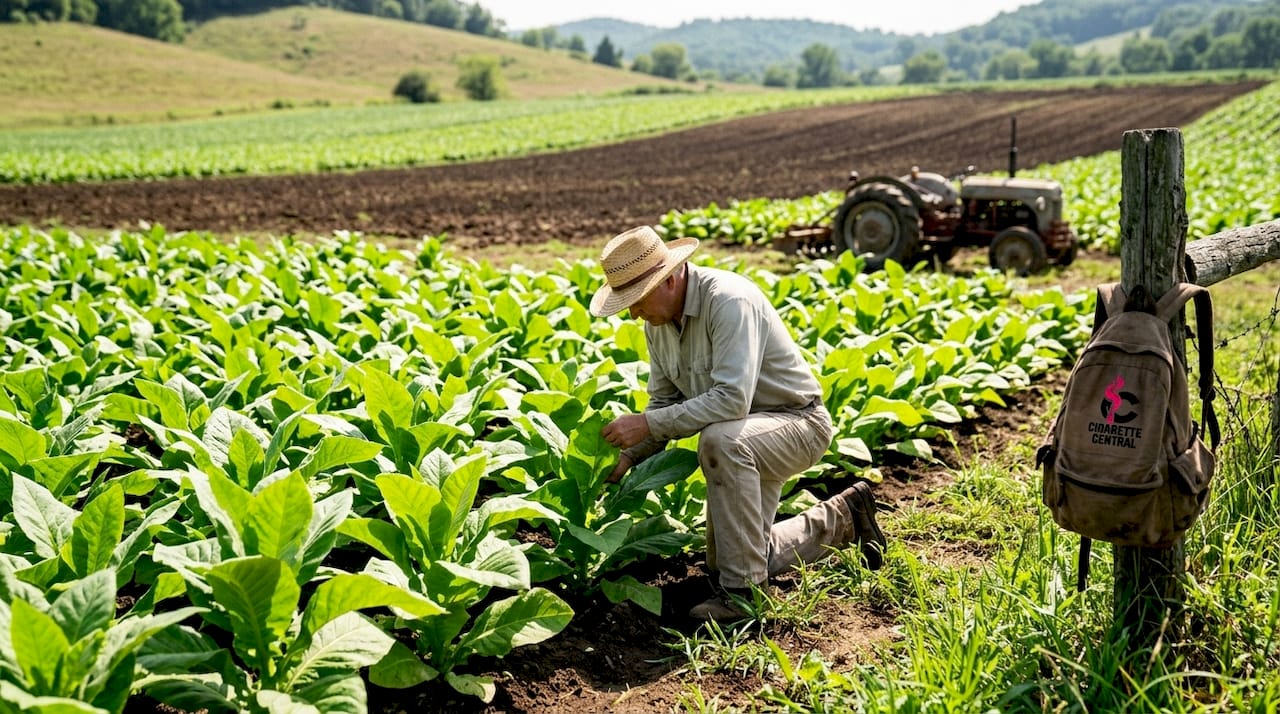
Geographic origin is the primary determinant of tobacco flavour. Soil chemistry, elevation, and climate all affect the chemical composition of the leaf, producing flavour differences that no blending or processing can fully replicate. This is not a subtle effect. Two plants from the same seed variety, grown in different soils, will taste noticeably different.
Soil chemistry and its direct effects
Soil nutrients drive the most measurable flavour differences between regions. Higher calcium-to-magnesium ratios produce sweeter, softer flavours in the leaf. Iron-rich soils increase pungency and deliver stronger, more assertive aromas. This is why Cuban Vuelta Abajo tobacco, grown in mineral-rich red clay soils, produces a complexity that growers in other regions have spent decades trying to replicate.
Nicaraguan volcanic soils tell a similar story. The mineral density in those soils contributes directly to the bold, full-bodied character that Nicaraguan tobacco is known for. Even within a single growing region, small changes in soil composition produce measurable flavour shifts. This extreme terroir sensitivity means that tobacco leaf origins carry genuine flavour information, not just marketing labels.
Climate, rainfall, and elevation
Rainfall patterns control the moisture content and cell density of the leaf. Drier growing conditions concentrate sugars and aromatic compounds. Higher elevations slow leaf development, which allows more complex flavour compounds to build over a longer growing period. The Jalapa and Estelí valleys in Nicaragua, for example, sit at different elevations and produce noticeably different flavour intensities despite being in the same country.
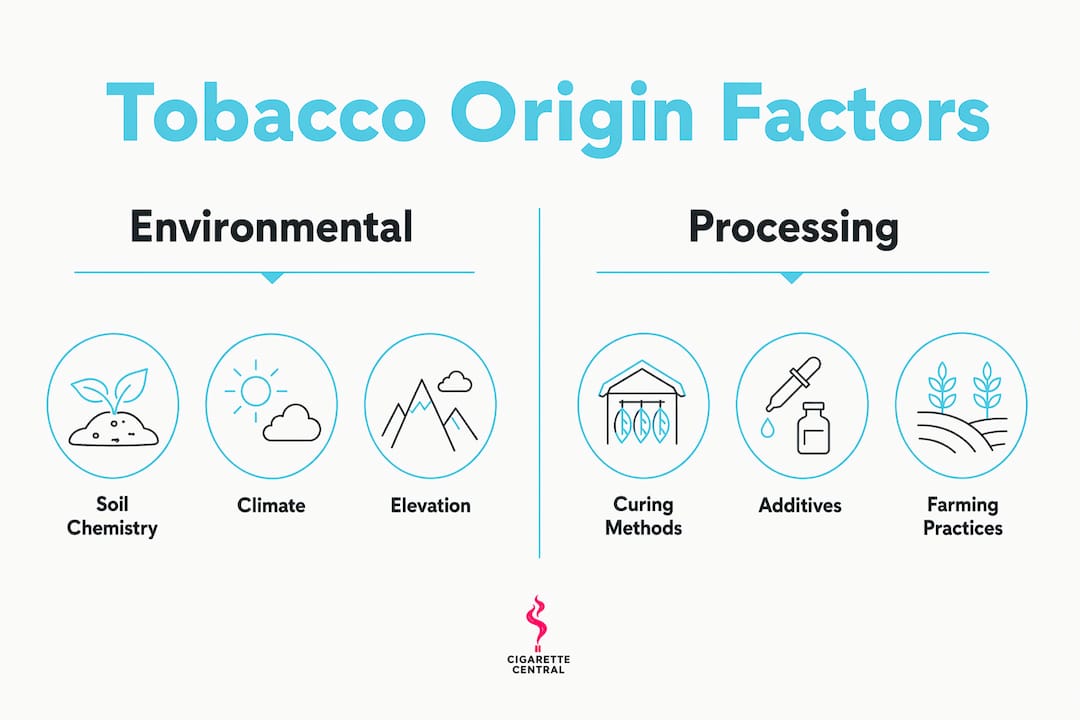
Climate also determines how much sunlight the leaf receives. More direct sun exposure increases nicotine content and intensifies flavour. Shade-grown tobacco, common in Connecticut and parts of Cuba, produces thinner, more delicate leaves with milder, creamier flavour notes. The growing method is inseparable from the geography.
Pro Tip: When tasting a new tobacco, pay attention to whether the flavour feels earthy and mineral-driven or sweet and creamy. Earthy and mineral notes usually point to iron-rich volcanic soils. Sweet and creamy notes suggest calcium-dominant soils or shade-grown cultivation.
What are the flavour profiles of key tobacco origins?
Different tobacco-growing regions produce reliably distinct flavour characteristics. Understanding these regional profiles gives you a practical framework for choosing tobacco that matches your preferences.
| Origin | Tobacco type | Flavour profile |
|---|---|---|
| Virginia, USA | Virginia (flue-cured) | Mild sweetness, light citrus, clean finish |
| Cuba (Vuelta Abajo) | Habano | Complex earthiness, cedar, leather, mild spice |
| Nicaragua | Nicaraguan | Bold espresso, black pepper, full body |
| Dominican Republic | Dominican | Lighter earthiness, subtle creaminess, smooth |
| Turkey / Greece | Oriental | Intensely aromatic, spicy, floral |
| Syria / Cyprus | Latakia | Smoky, incense-like, rich and pungent |
Virginia tobacco is defined by its high natural sugar content. Flue-curing locks in those sugars, producing the mild sweetness and light body that makes Virginia blends approachable for a wide range of smokers. It is one of the most widely used base tobaccos in the world precisely because its flavour is clean and versatile.
Oriental tobacco sits at the opposite end of the spectrum. Grown across Turkey, Greece, and the broader Mediterranean region, it uses sun-curing to concentrate aromatic compounds. The result is an intensely spicy, floral character that adds complexity to blended products. Nicaraguan tobacco delivers strong espresso and black pepper notes, while Dominican tobacco offers a lighter earthiness. These are not interchangeable flavour profiles. Each origin has a signature that experienced smokers recognise immediately.
Latakia, produced in Syria and Cyprus, undergoes fire-curing over aromatic woods. That process gives it a smoky, incense-like quality unlike any other tobacco type. It is used sparingly in blends because its flavour is so assertive. Even a small proportion of Latakia in a blend shifts the entire character of the smoke.
How does curing affect origin-driven tobacco flavour?
Curing is the post-harvest process that transforms raw tobacco leaf into smokeable product. It either preserves and enhances the flavours developed in the field, or it fundamentally changes them. The four main curing methods each produce a distinct outcome.
- Flue-curing: Hot air is circulated through the barn without smoke contact. This preserves the leaf’s natural sugars and produces the bright, sweet character of Virginia tobacco. The leaf retains its yellow-to-orange colour and a clean, mild flavour.
- Air-curing: Leaves hang in ventilated barns for several weeks. Sugars break down during this process, producing a drier, more neutral flavour. Burley tobacco is the most common air-cured variety. It absorbs casing flavours well, which is why it is frequently used in blended cigarettes.
- Fire-curing: Leaves are exposed to low-burning hardwood smoke. This produces the distinctive smoky, pungent character of Latakia and some American pipe tobaccos. Fire-curing yields a flavour profile that no other method can replicate.
- Sun-curing: Leaves dry in direct sunlight. This concentrates aromatic compounds and is the traditional method for Oriental tobaccos. The result is the spicy, floral intensity that defines Turkish and Greek varieties.
The critical point is that curing interacts with origin. A Virginia leaf grown in iron-rich soil and flue-cured will taste different from the same variety grown in calcium-dominant soil and processed identically. Origin sets the raw material. Curing shapes how that material expresses itself.
Commercial tobacco processing adds another layer of complexity. Additives like sugar, liquorice, and cocoa are commonly used to mask bitterness and modify the pH of the smoke for a smoother delivery. This means that many mass-produced products have their natural origin flavours partially or fully overridden by industrial processing. The tobacco you are tasting in a standard commercial cigarette is often a heavily engineered product, not a direct expression of its leaf origins.
Pro Tip: Single-origin loose tobaccos and premium cigars are your best reference points for tasting genuine origin flavour. These products are less likely to carry heavy additive loads, so the terroir character of the leaf comes through more clearly.
How can you use origin knowledge to choose your tobacco?
Knowing the role of origin in flavour gives you a practical tool for making better choices. You can move beyond vague descriptors like “smooth” or “full-flavoured” and start reading tobacco products with more precision.
- Match your flavour preference to a region. If you prefer sweetness and a light body, Virginia-dominant blends are your starting point. If you want bold, full-bodied smoke with earthy depth, look for Nicaraguan or Cuban leaf content.
- Read the wrapper on cigars. The wrapper leaf contributes a significant portion of the flavour in a cigar. A Maduro wrapper, regardless of origin, adds dark chocolate notes through extended fermentation. A Claro or Natural wrapper lets the filler blend speak more clearly.
- Try single-origin loose tobaccos. Products like Golden Virginia loose tobacco give you a direct reference point for what Virginia-style leaf tastes like without heavy blending. This builds your palate vocabulary quickly.
- Pay attention to flavour consistency across sessions. Natural origin flavours show slight variation. Heavily processed products taste identical every time. Variation is actually a sign of authentic terroir character.
- Note the health context. Nicotine makes tobacco addictive, and thousands of other chemicals in tobacco cause serious harm regardless of how refined or natural the flavour profile is. Appreciating origin flavour is a legitimate pursuit for enthusiasts, but it does not change the underlying health risks of smoking.
Tobacco origin tells the story of soil, climate, and cultivator expertise in every puff. That story is worth understanding, even if you are simply choosing a roll-your-own blend for everyday use.
Key takeaways
The role of tobacco origin in flavour is defined by soil chemistry, climate, elevation, and curing method working together to produce the taste characteristics of each leaf.
| Point | Details |
|---|---|
| Soil chemistry drives base flavour | Calcium-rich soils produce sweetness; iron-rich soils produce pungency and stronger aromas. |
| Regional origins have signature profiles | Virginia delivers mild sweetness; Nicaraguan delivers bold espresso and pepper; Oriental delivers spice and floral notes. |
| Curing method shapes final expression | Flue-curing preserves sweetness; fire-curing adds smoke; sun-curing concentrates aromatics. |
| Commercial additives can mask origin | Sugar, liquorice, and cocoa are commonly added to mass-produced tobacco, overriding natural leaf character. |
| Single-origin products reveal terroir | Loose tobaccos and premium cigars with minimal processing give the clearest read of origin-driven flavour. |
Why origin is the most underrated part of tobacco appreciation
Most smokers focus on brand or price. That is understandable. But after years of paying attention to what actually changes the taste in the tin or the pack, origin is consistently the factor that explains the most.
I have noticed that smokers who start paying attention to where their tobacco comes from develop a much sharper palate within a short period. They stop describing tobacco as just “strong” or “mild” and start picking up specific notes. That shift happens because origin gives you a framework. You are not just tasting smoke. You are tasting the result of specific soil minerals, a particular rainfall season, and a curing tradition that might be centuries old.
The part that surprises most people is how much modern mass production works against this. The heavy use of additives in commercial tobacco is not a conspiracy. It is a practical response to the need for consistency at scale. But it does mean that the average commercial cigarette tells you very little about the leaf inside it. If you want to actually taste tobacco origin, you need to seek out products where the leaf is the point, not just the delivery mechanism for a standardised flavour profile.
My honest recommendation is to spend some time with a quality Virginia loose tobacco before reaching for anything heavily blended. It recalibrates your expectations and gives you a genuine baseline. From there, every other origin you try makes more sense.
— Cigarettecentral
Premium tobacco selections at Cigarettecentral
If origin-driven flavour is what you are after, the quality of the leaf matters as much as the brand on the pack.

Cigarettecentral carries a range of tobacco products that lets you compare different styles and profiles without paying retail prices. Whether you want a classic Virginia-style loose tobacco for rolling or a richer blended option, the selection covers the key flavour categories discussed above. The premium loose tobacco 500g is a practical starting point for smokers who want a rich, full flavour without committing to a single-origin product. Orders ship within 2–5 business days with discreet packaging, and 24/7 customer support is available if you need help choosing between options.
FAQ
What is tobacco terroir?
Tobacco terroir refers to the combined effect of soil, climate, elevation, and farming practices on the flavour of the leaf. It is the same concept applied to wine and coffee, and it explains why tobacco from different regions tastes distinctly different even when processed the same way.
Why does Cuban tobacco taste different from Nicaraguan tobacco?
Cuban Vuelta Abajo tobacco grows in mineral-rich red clay soils that produce complex earthiness and cedar notes. Nicaraguan tobacco grows in volcanic soils at varying elevations, which drives its bold espresso and black pepper character. The soil and climate of each region produce chemically different leaves.
Does curing method change the origin flavour of tobacco?
Curing significantly alters how origin flavour expresses itself. Flue-curing preserves natural sugars in Virginia leaf. Fire-curing adds a smoky, pungent character to Latakia. The raw flavour potential comes from origin, but curing determines how much of that potential reaches the final product.
Can additives in commercial tobacco hide origin flavour?
Yes. Sugar, liquorice, and cocoa are commonly added to commercial tobacco to mask bitterness and create a consistent flavour profile. This processing often overrides the natural character of the leaf, making it difficult to taste genuine origin differences in mass-produced products.
How do I start appreciating tobacco origin flavours?
Start with a single-origin loose tobacco, such as a Virginia-style product, to build a flavour baseline. Compare it against a Nicaraguan or Oriental blend. Paying attention to specific notes like sweetness, earthiness, spice, or smoke trains your palate to recognise regional differences quickly.


