





TL;DR:
- A burley tobacco blend is primarily made from air-cured burley leaf, which provides high nicotine, low sugar, and excellent flavor absorption. It is widely used in American cigarettes and aromatic pipe blends due to its porous structure and robust, nutty flavor profile. Proper cultivation, air-curing, and quality management enhance its smoothness and versatility in various tobacco products.
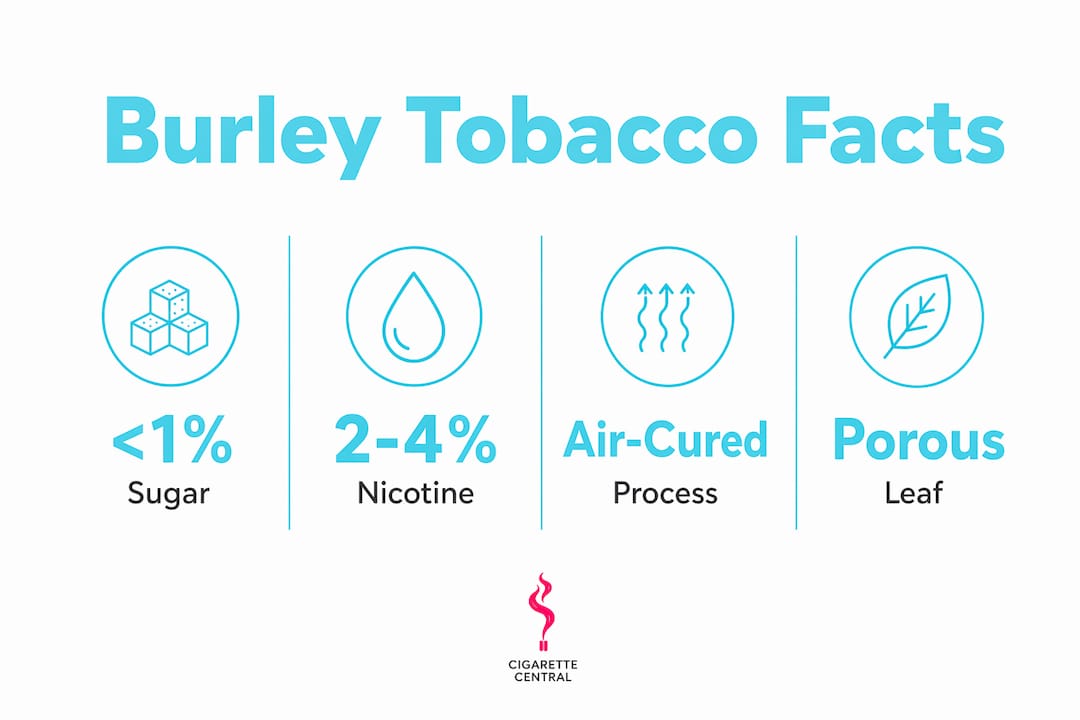
A burley tobacco blend is defined as a mixture where air-cured burley leaf forms the structural base, delivering high nicotine content between 2% and 4%, low residual sugar under 1%, and a naturally porous leaf structure that absorbs flavourings better than almost any other tobacco type. That combination makes burley the foundation of American-style cigarette blends and a staple in aromatic pipe tobacco worldwide. If you smoke a full-bodied cigarette or a rich pipe blend, there is a strong chance burley is doing the heavy lifting inside it. Understanding what burley brings to a blend helps you choose tobacco that actually matches what you want from a smoke.
What are the distinguishing characteristics of burley tobacco?
Burley tobacco is defined by its chemistry as much as its flavour. Sugar content below 1% sets it apart from Virginia tobacco, which can carry natural sugars above 20%. That low sugar level means burley does not caramelise during combustion, producing a drier, more neutral smoke that lets the tobacco’s natural character come through clearly.
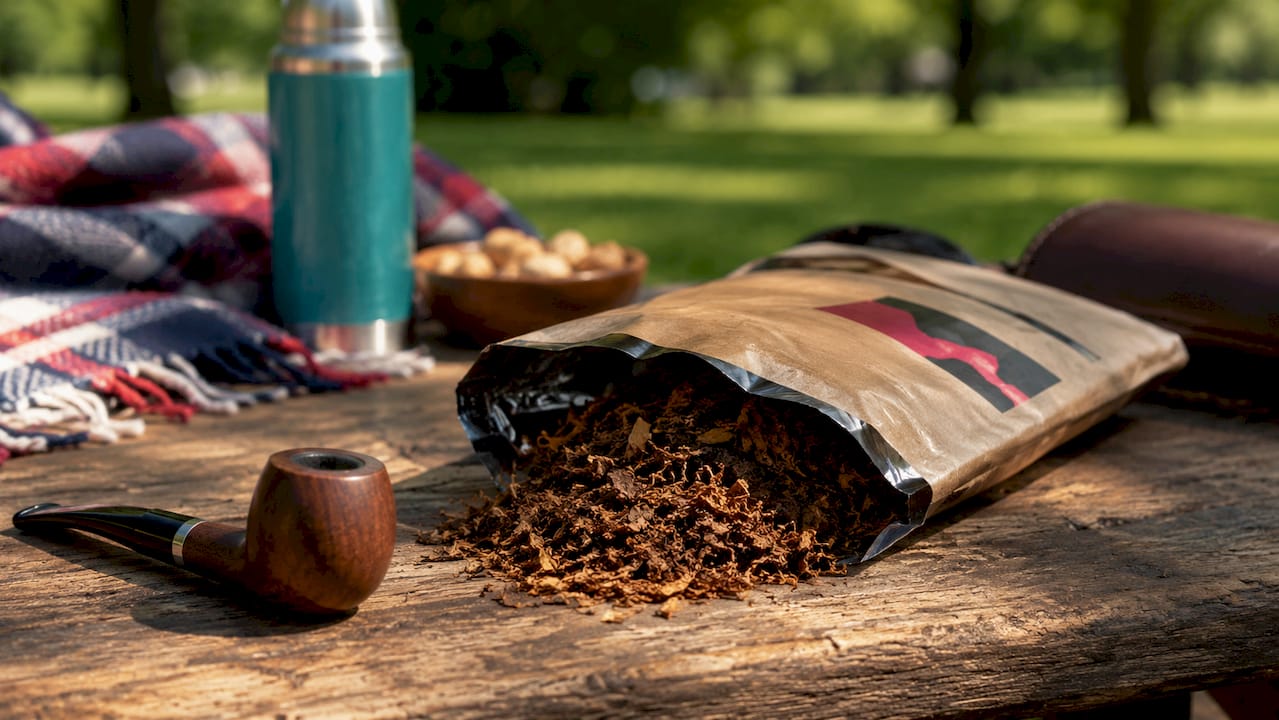
The leaf itself is air-cured over 4 to 8 weeks in ventilated barns, which strips moisture without applying heat. The result is a light brown to reddish-brown leaf with a noticeably porous cell structure. That porosity is what makes burley so useful to blenders.
The sensory profile of burley is distinctive and worth knowing before you buy:
- Flavour notes: Nutty, earthy, and sometimes faintly chocolaty in high-quality leaf
- Nicotine strength: High, sitting between 2% and 4%, giving a full-bodied hit
- Burn quality: Slow and cool, producing a dense smoke with noticeable mouthfeel
- Colour: Light brown to reddish-brown after curing
- Sugar level: Under 1%, meaning minimal sweetness without added casings
Pro Tip: If a blend feels too strong on first try, you are likely feeling burley’s nicotine content rather than harshness from the leaf itself. Slow your puffing rate and the experience changes noticeably.
Burley’s burn qualities make it particularly valued by smokers who want a consistent, all-day smoke. The dense, cool smoke contributes what pipe smokers call “mouthfeel,” a satisfying physical weight to each draw that lighter tobaccos simply cannot replicate.
How is burley tobacco processed to develop its unique flavour?
Burley tobacco processing centres on air-curing, and the method is fundamentally different from the techniques used on other major tobacco types. Understanding those differences explains why burley behaves the way it does in a blend.
- Air-curing: Harvested burley stalks are hung in ventilated barns for 4 to 8 weeks. No heat is applied. Natural airflow removes moisture slowly, preserving the leaf’s porous structure and keeping chlorophyll breakdown gradual.
- Flue-curing (Virginia tobacco): Heat from flues raises barn temperature rapidly, fixing sugars in the leaf and producing the bright, sweet character Virginia is known for. Burley never undergoes this process.
- Sun-curing (Oriental tobacco): Leaves are dried in direct sunlight, concentrating aromatic compounds and producing a spicy, fine-cut leaf used in Turkish and Greek blends. Burley’s barn environment produces none of those aromatic compounds.
- Casing application: After curing, burley’s porous leaf readily absorbs liquid casings. Manufacturers apply flavourings such as cocoa, liquorice, and vanilla directly to the leaf. Burley’s porous structure makes it the standard base for aromatic blends precisely because it holds those flavourings without losing them during combustion.
- Topping: A final layer of flavouring, called a topping, is applied after casing. This is the aroma you notice when you open a fresh pouch of aromatic tobacco.
The absence of heat during curing is the single most important factor in burley’s character. Heat would destroy the cell structure that makes flavour absorption possible. Air-curing preserves it, which is why burley’s compatibility with flavour casings allows manufacturers to craft aromatic blends with a broader variety of flavour profiles than any other base leaf can achieve.
What are the best burley tobacco blends and how are they used?
Burley is often called the workhorse of tobacco blends, and that label is accurate. It provides body, strength, and structural weight that sweeter or more aromatic tobaccos cannot supply on their own. Blenders use burley as the skeleton that holds a mixture together.
The most common applications fall into two broad categories:
- American-blend cigarettes: The classic American blend combines burley, Virginia, and Oriental tobacco. Burley provides nicotine strength and body, Virginia adds sweetness and combustibility, and Oriental contributes spice and aroma. Most mainstream cigarette brands sold globally use this formula.
- Aromatic pipe blends: Burley serves as the base leaf in most aromatic pipe tobaccos. Its neutral flavour and porous structure allow cocoa, vanilla, cherry, and liquorice casings to dominate the smoke without the leaf fighting back.
- English and Balkan pipe blends: These unflavoured blends use burley alongside Latakia and Oriental leaf. Here, burley’s earthy, nutty notes complement the smoky Latakia rather than being masked by flavourings.
- Full-strength blends: Burley-forward blends with minimal Virginia content deliver a dry, full-bodied smoke suited to experienced smokers who prefer strength over sweetness.
The table below shows how burley performs across different blend types compared to Virginia-dominant blends:
| Blend type | Burley role | Flavour result | Strength level |
|---|---|---|---|
| American cigarette blend | Primary base | Balanced, slightly dry | Medium to full |
| Aromatic pipe blend | Flavour carrier | Sweet, fragrant | Mild to medium |
| English pipe blend | Body provider | Earthy, smoky | Medium to full |
| Burley-forward pipe blend | Dominant leaf | Nutty, dry, complex | Full |
| Virginia and burley blend | Balancing agent | Sweet with body | Medium |
For smokers moving from mild cigarettes to something with more presence, a Virginia and burley blend is the natural next step. Virginia’s sweetness softens burley’s dryness, and the result sits comfortably between light and full-bodied. You can explore tobacco blends by variety to find products that match this profile.
How does cultivation and geographical origin affect burley quality?
Burley tobacco quality is directly tied to where and how it is grown. The leaf needs specific soil and climate conditions to develop the cell structure that makes it useful in blends. Sandy loam soils with good drainage and a warm, humid growing season produce the best results.
Kentucky produces approximately 70% of the United States’ burley yield), and that dominance is not accidental. The state’s climate, with warm summers and naturally ventilated curing barns built into hillsides, creates ideal air-curing conditions. Kentucky’s curing environment produces a more consistent, higher-quality leaf than regions attempting to replicate the process in less suitable climates.
Burley is also grown in Tennessee, Virginia, and parts of North Carolina in the United States, as well as in Malawi, Brazil, and Italy. Malawian burley is widely used in commercial cigarette blends for its reliable nicotine content and consistent burn. Italian burley, grown in the Po Valley, tends to produce a lighter leaf with a milder flavour profile suited to European-style blends.
Seed varietals also matter. Different burley cultivars produce leaves with varying nicotine levels, cell density, and flavour intensity. Commercial growers select varietals based on the end use of the leaf, whether that is a high-nicotine cigarette base or a milder pipe tobacco component. How tobacco origin shapes flavour is a topic worth understanding if you care about what you are actually smoking.
Pro Tip: When buying loose burley-based tobacco, look for products that specify Kentucky or Tennessee origin on the label. That detail signals the manufacturer is using leaf from the regions with the most established curing traditions.
How can smokers best use and enjoy burley tobacco blends?
Getting the most from a burley blend comes down to technique, storage, and selection. Burley is not a difficult tobacco, but it rewards a little attention.
- Use the breath method: Draw air slowly through the tobacco rather than pulling hard. The breath method keeps the burn cool and prevents the moisture buildup that causes harshness. This applies to both pipe smokers and those rolling their own cigarettes.
- Store correctly: Keep burley-based loose tobacco in an airtight container away from direct sunlight. Burley dries out faster than Virginia-heavy blends because it starts with lower moisture content. Use it within a month of opening for the best flavour.
- Select quality leaf: Perceived harshness in burley is almost always a quality or flavouring issue, not a property of the leaf itself. Cheap aromatic blends with poor-quality casings taste harsh. High-quality unflavoured burley is smooth and neutral.
- Match strength to your preference: Burley’s nicotine content between 2% and 4% makes it one of the stronger tobacco types. If you prefer a milder smoke, choose a blend where Virginia makes up the majority of the mix and burley plays a supporting role.
- Pair thoughtfully: Burley pairs well with Virginia for sweetness, with Perique for spice and complexity, and with Latakia for a smoky, full-bodied English-style blend.
Pro Tip: If you find an aromatic burley blend too sweet, try an unflavoured burley and Virginia mixture. The natural nuttiness of burley comes through clearly without the flavouring competing with it.
Key takeaways
A burley tobacco blend is the most versatile and structurally important leaf in tobacco blending, defined by low sugar, high nicotine, and a porous structure that absorbs flavourings better than any other major tobacco type.
| Point | Details |
|---|---|
| Low sugar, high nicotine | Burley carries under 1% sugar and 2–4% nicotine, making it full-bodied and dry. |
| Air-cured over 4–8 weeks | Ventilated barn curing preserves the porous leaf structure essential for flavour absorption. |
| Kentucky dominates production | Around 70% of US burley comes from Kentucky, where curing conditions produce the highest-quality leaf. |
| Workhorse of blending | Burley provides body and strength in American cigarette blends, aromatic pipe blends, and English mixtures. |
| Harshness is a quality issue | Poor casings or low-grade leaf cause harshness. High-quality burley is naturally smooth and neutral. |
Burley’s underrated place in the blend
Burley gets less attention than Virginia or Latakia in tobacco conversations, and I think that is a genuine mistake. Virginia gets praised for its sweetness, Latakia for its drama. Burley just does its job without asking for credit, and that reliability is exactly what makes it so valuable.
What I have noticed over years of paying attention to blends is that smokers who dismiss burley as “harsh” have almost always encountered it in cheap aromatic blends where the flavouring is doing too much work on a low-quality base. That is not burley’s fault. Quality and ageing unlock burley’s real character, a smooth, nutty complexity that beginners rarely get to experience.
Advanced pipe smokers who seek out aged, unflavoured burley flakes know this well. The leaf pressed into flakes and rested for months develops a depth that rivals any Virginia or Perique blend. That side of burley barely gets discussed in mainstream tobacco writing.
The practical takeaway is straightforward. If your current blend feels thin or lacks presence, adding a burley component fixes it faster than any other adjustment. If it feels too strong, slow your puffing rate before you blame the tobacco. Burley rewards patience and repays quality investment with consistency every time.
— Cigarettecentral
Quality burley blends available at Cigarettecentral
Cigarettecentral stocks a range of tobacco products suited to smokers who want the body and flavour that burley-based blends deliver.

Whether you prefer a full-flavoured cigarette or a rich loose tobacco for rolling, the tobacco range at Cigarettecentral includes options across strength levels and flavour profiles. The premium loose tobacco 500g blend is a practical starting point for smokers who want a rich, smooth rolling experience with genuine body. Orders ship within 2–5 business days with discreet packaging, and 24/7 customer support is available if you need help choosing the right product for your preferences.
FAQ
What is a burley tobacco blend?
A burley tobacco blend is a tobacco mixture where air-cured burley leaf forms the base, contributing high nicotine content, low sugar, and a porous structure that absorbs flavourings. It is the standard base for American-blend cigarettes and aromatic pipe tobacco.
How does burley tobacco differ from Virginia tobacco?
Burley carries under 1% residual sugar and 2–4% nicotine, while Virginia tobacco can contain over 20% natural sugar and lower nicotine. Virginia produces a sweet, bright smoke; burley produces a dry, full-bodied, nutty smoke.
Why is burley tobacco used in so many blends?
Burley’s porous leaf structure absorbs casings and toppings such as cocoa, vanilla, and liquorice better than other tobacco types, making it the preferred base for flavoured blends. Its body and nicotine strength also balance sweeter or lighter tobaccos in a mixture.
Is burley tobacco harsh to smoke?
Burley is not inherently harsh. Harshness in burley-based blends is almost always caused by poor-quality leaf or heavy aromatic flavourings, not the burley itself. High-quality burley smoked with a slow, cool technique is smooth and neutral.
Where is most burley tobacco grown?
Kentucky produces approximately 70% of the United States’ burley yield, with Tennessee, Malawi, Brazil, and Italy also contributing commercially significant quantities. Kentucky’s climate and curing barn conditions produce the most consistent, highest-quality leaf.
Recommended
- Role of tobacco origin in flavour: a smoker’s guide – Cigarette Central
- Discover new tobacco brands online: 2026 guide – Cigarette Central
- Premium Loose Tobacco 500g – Rich Blend, Smooth Rolling Experience, Fa – Cigarette Central
- Marlboro Gold USA Cigarettes 20s x 10 Packs – Smooth American Blend, F – Cigarette Central


